


Concerning Issues in International Student Recruitment from the Indian Subcontinent to Australia
- Posted by
- admin<
- Categories
- Australian Visa news
- Australian Visa updates
- Lifestyle
- Managing Finances
- News Updates
- Student Visa
- Visa Application
- Work Visa
- Date
- 18 Jun 2025
- Comments
- 0
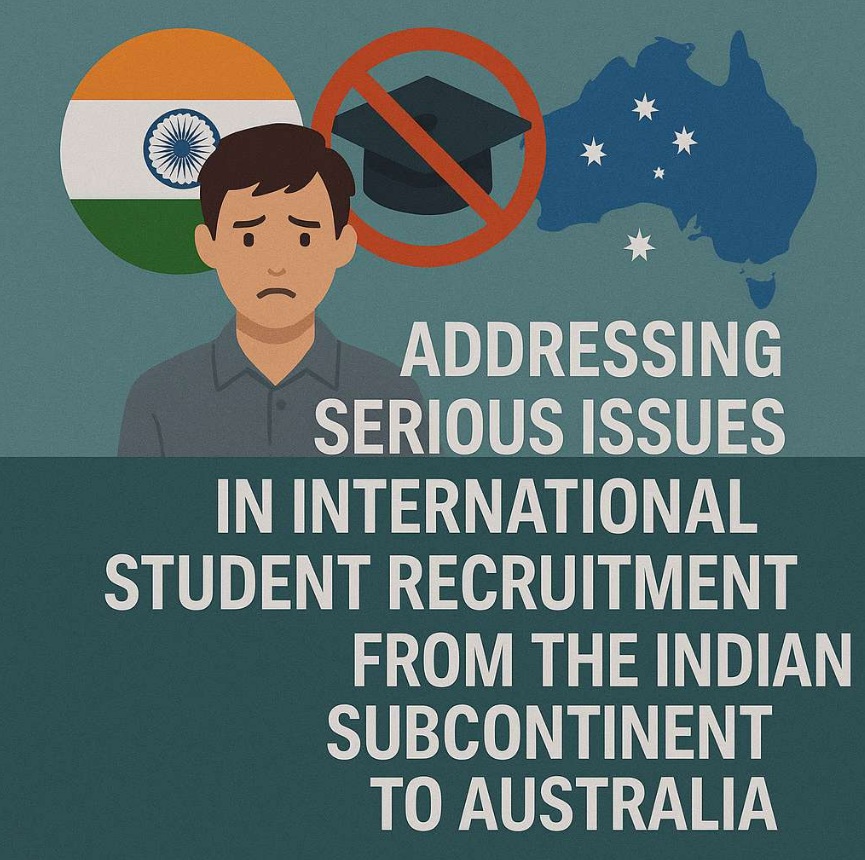
Australia has long been celebrated for its high-quality education system, multicultural society, and vibrant student life. It is a prime destination for international students, particularly those from the Indian subcontinent, who seek quality education and opportunities for personal and professional growth. However, the recruitment landscape is fraught with serious issues that has already impacted the experience of these students. In this blog post, we are raising awareness about some of the critical challenges faced by prospective international students from the Indian subcontinent and discuss possible solutions to create a more supportive and transparent recruitment process.
1. Misleading Information and Recruitment Practices
One of the most significant obstacles in international student recruitment is the prevalence of misleading information disseminated by some recruitment agents. Although agents play a vital role in guiding students through the application process, not all agents provide accurate details about courses, tuition fees, and employment opportunities post-graduation. This lack of transparency can lead to students making uninformed decisions, often resulting in disappointment and frustration.
To mitigate this issue, it is essential to establish stricter regulations governing recruitment practices. Education institutions should collaborate with recognized agents who adhere to ethical recruitment standards. Additionally, students should be encouraged to conduct thorough research and verify information independently to make informed decisions about their educational journeys.
2. Financial Barriers and Affordability
Despite the appeal of studying in Australia, the financial implications can be daunting. The cost of education, coupled with living expenses, presents a significant barrier for many students from the Indian subcontinent. While scholarships and financial aid options exist, they are often limited and highly competitive.
Educational institutions need to explore more avenues to provide financial support. This could include expanding scholarship programs aimed specifically at international students and offering flexible payment plans to ease the financial burden. By making education more affordable and accessible, Australia can attract a more diverse pool of talented international students.
3. Cultural Adjustment and Support Services
Cultural adjustment is another considerable challenge faced by international students. Upon arrival in Australia, students often encounter a host of new experiences—academic expectations, social norms, and lifestyle differences—that can be overwhelming. For students from the Indian subcontinent, this transition can be particularly challenging and may lead to feelings of isolation or homesickness.
To support students in their transition, institutions should enhance their support services. Orientation programs that provide information about academic life, cultural expectations, and local resources can play a crucial role. Additionally, counseling services, peer mentoring programs, and cultural integration workshops can help students navigate their new environment and foster connections within the community.
4. Employment Opportunities and Work Rights
The ability to work while studying is a critical consideration for many international students, as it not only helps manage living expenses but also provides valuable work experience. However, there can be confusion regarding work rights and how to secure part-time employment while studying.
Educational institutions should actively guide students on their work rights and the job market landscape. Conducting workshops on resume writing, interview skills, and networking can arm students with the tools needed to find suitable employment. Establishing partnerships with local businesses to create job opportunities specifically for international students also offers a significant advantage.
5. Post-Study Visa Regulations
Post-study work options are a crucial factor influencing a student’s decision to study in Australia. Clarity surrounding post-study visa regulations is essential, as changes in policies can significantly affect students’ career pathways and aspirations.
Advocacy for consistent and fair visa regulations is necessary to ensure that international students have clear pathways to post-study work opportunities. Institutions and industry stakeholders must work together to engage policymakers and promote regulations that support international graduates in finding employment in Australia after they complete their studies.
Conclusion
The recruitment of international students from the Indian subcontinent presents both opportunities and challenges. To create a more welcoming and supportive environment, educational institutions, recruitment agencies, and policymakers must collaborate to address these serious issues. By promoting transparency, enhancing support systems, and advocating for fair regulations, Australia can strengthen its position as a top destination for international students.
As we move forward, it is vital to prioritize the needs and experiences of international students. Empowering them to achieve their academic and professional goals will lead to a more enriched educational environment and contribute to the cultural diversity of Australia.
About the Author:
Satya Shukla is a veteran with years of experience in the field of international education. Passionate about fostering positive change in the recruitment and support of international students, he aims to create awareness of the challenges faced by students from the Indian subcontinent and advocate for their needs.























 Call or Chat on Whatsapp